Where the songs come from
Canzone napoletana history
A short history of Neapolitan song, from the Piedigrotta festival and its song contests to the tenors who carried it round the world.
Book the Neapolitan concert ↗Quick answer
Canzone napoletana is a traditional form of song sung in the Neapolitan language, mostly love songs and serenades. It became a formal institution in the 1830s through the annual song contest of the Piedigrotta festival, grew through music publishers and poets, and was carried abroad by emigrants and singers such as Enrico Caruso. The Piedigrotta contest ran until 1950.
What the term means
Canzone napoletana, or Neapolitan song, is a traditional form of music sung in the Neapolitan language. It is usually a solo male voice, though female soloists are well represented, and it appears in familiar genres such as the love song and the serenade. Many songs are about nostalgic longing for Naples as it once was. Wikipedia names 'O sole mio, Torna a Surriento, Funiculì, Funiculà and Santa Lucia among the pieces that define it.
Piedigrotta, where it began
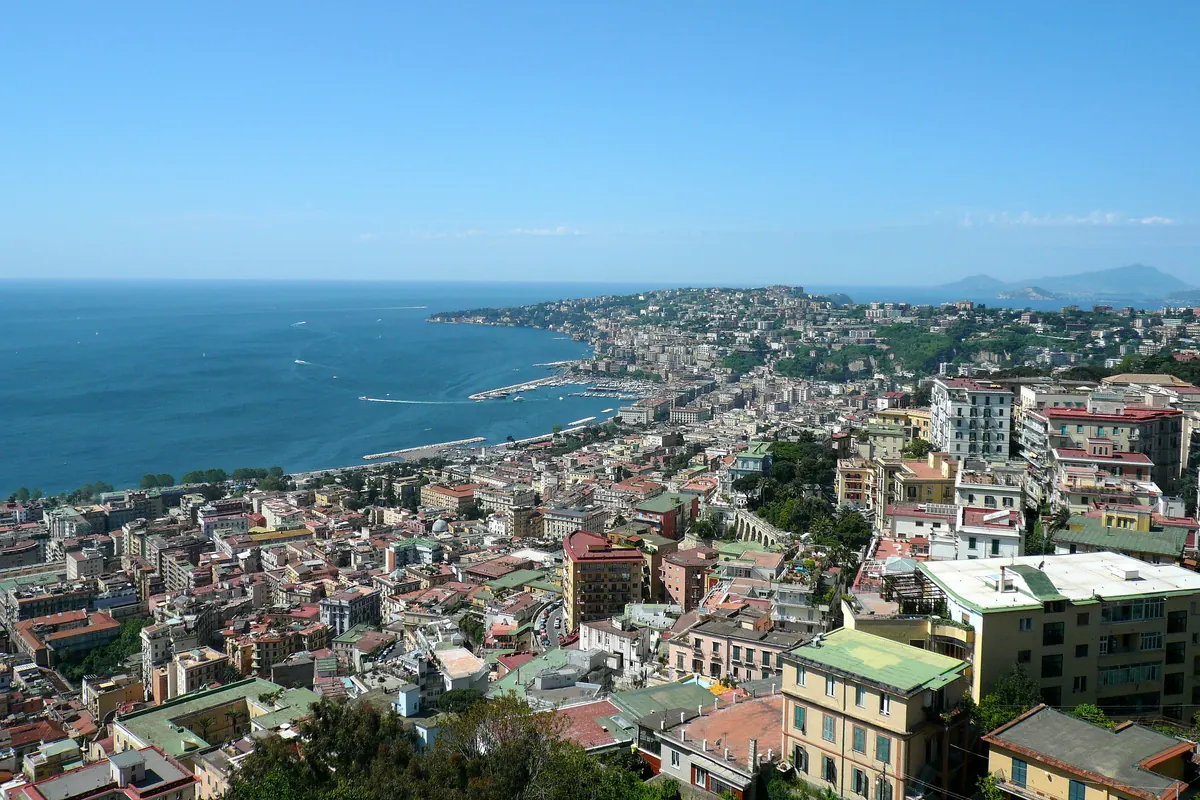
Piedigrotta is a section of the Chiaia quarter of Naples, named for the church of the Madonna of Piedigrotta near the entrance to the Crypta Neapolitana, in the Mergellina area. Treccani traces the festival to a small chapel of the 13th century and says it was held on the night of 7 to 8 September. It also notes that the origin of the Neapolitan popular song is connected with this festival.
The song contest
Neapolitan song became a formal institution in the 1830s because of an annual song-writing competition for the Piedigrotta festival. The winner of the first festival was Te voglio bene assaje, traditionally attributed to the opera composer Gaetano Donizetti, although an article from 1984 shows there is no historical evidence for the attribution. The festival ran regularly until 1950, when it was abandoned.
Publishers and poets
In the 19th century the song reached all social classes through music publishers, and Treccani says Piedigrotta had become a public event for selling sheet music and recordings. Poets emerged to write for the trade. Treccani names Salvatore Di Giacomo (1860 to 1934), Libero Bovio (1883 to 1942) and E. A. Mario (1884 to 1961), whose catalogue exceeded 2,000 songs. 'O sole mio, composed in 1898, is cited as the first famous example of the newer, foreign-influenced style.
Leaving Naples
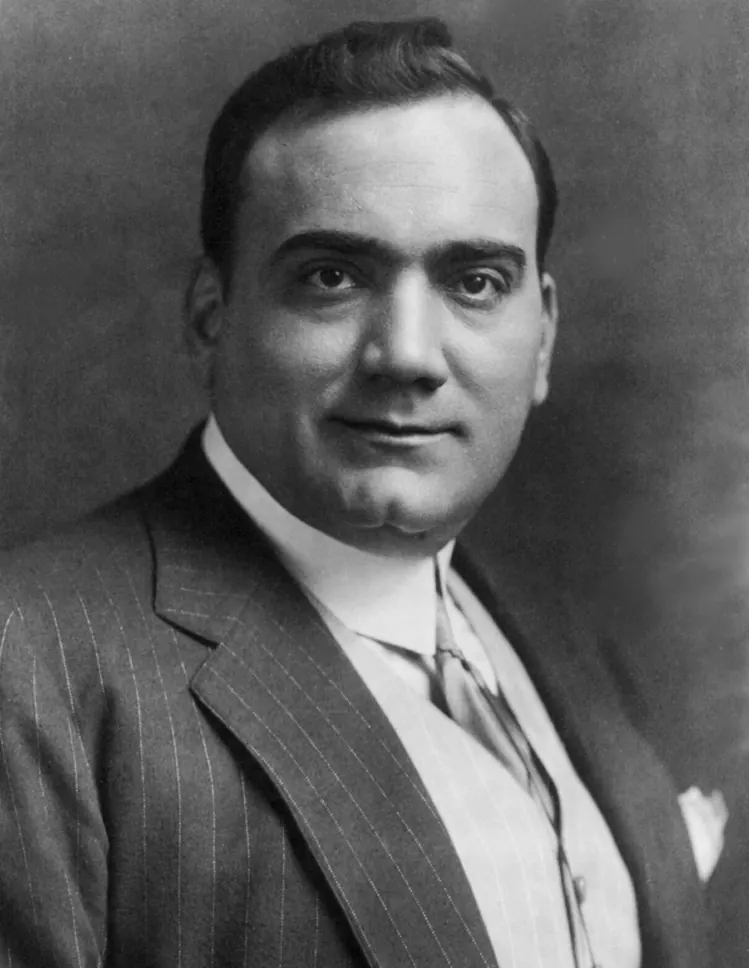
Many Neapolitan songs became world-famous because emigrants from Naples and southern Italy carried them abroad, roughly between 1880 and 1920. Enrico Caruso, born in Naples in 1873, sang the popular music of his native city as encores at the Metropolitan Opera in New York in the early 1900s, and he recorded many of these songs. They then became part of the standard repertoire for operatic tenors. Caruso made around 250 commercial recordings between 1902 and 1920.
Street singers and cafés
Treccani describes a tradition of travelling street performers, the posteggiatori, also known as the pusteggia or cuncertino, who spread Neapolitan melody worldwide. Between the late 1800s and the first three decades of the 1900s, the traditional song flourished in cafés-concert and variety theatres. These are the settings that a small live concert still echoes: voices, instruments and an audience close enough to hear them unamplified.
After 1950
From the 1950s the song changed again. Treccani gives the Festival di Napoli, run by RAI, as running from 1952 to 1970, and says many locals felt it distorted the tradition. Songs written after 1950, such as Malafemmena by Totò and Maruzzella by Renato Carosone, have become classics in their own right. Later artists such as Pino Daniele kept Neapolitan alive in popular music.
Where a live hour fits
A one-hour concert cannot cover all of this, and it does not try. It offers the classic core: the songs that the Piedigrotta contests and the publishers made famous, sung live. If you want the newer sound of the 2010s onwards, with its hip hop and electronic mixes, this is not that show. If you want the songs that Caruso and the Three Tenors sang, it is a good place to hear them close up.
Read next: Neapolitan concert in Naples
Frequently asked questions
What is canzone napoletana?
A traditional form of song sung in the Neapolitan language, mostly love songs and serenades, often about longing for Naples.
What was the Piedigrotta festival?
A festival tied to the church of the Madonna of Piedigrotta whose annual song contest, from the 1830s, gave Neapolitan song its formal shape.
Who carried Neapolitan song abroad?
Emigrants from Naples and southern Italy, and singers such as Enrico Caruso, who sang the songs as encores and recorded them.
Sources